Where Policing Begins: How Police Facilities Support Readiness, Trust, and Leadership
Authored By: Paul Michell, Vice President of Government & Managing Partner
Policing begins long before an officer enters the field. When people think about the tools available to a law enforcement agency, the answers are predictable: vehicles, radios, technology, training, and equipment. Rarely mentioned, but equally influential, is the building where policing begins and ends each day.
Police facilities are not neutral backdrops for operations. They are among the most complex investments a community makes in public safety and quietly shape how effectively, safely, and professionally policing is carried out. When aligned with operational needs and leadership priorities, a facility strengthens organizational readiness. When outdated or misaligned, it can work against even the most capable leadership and personnel.
This is not simply a design question. It is a leadership and stewardship issue.
Operational Readiness Begins Inside the building
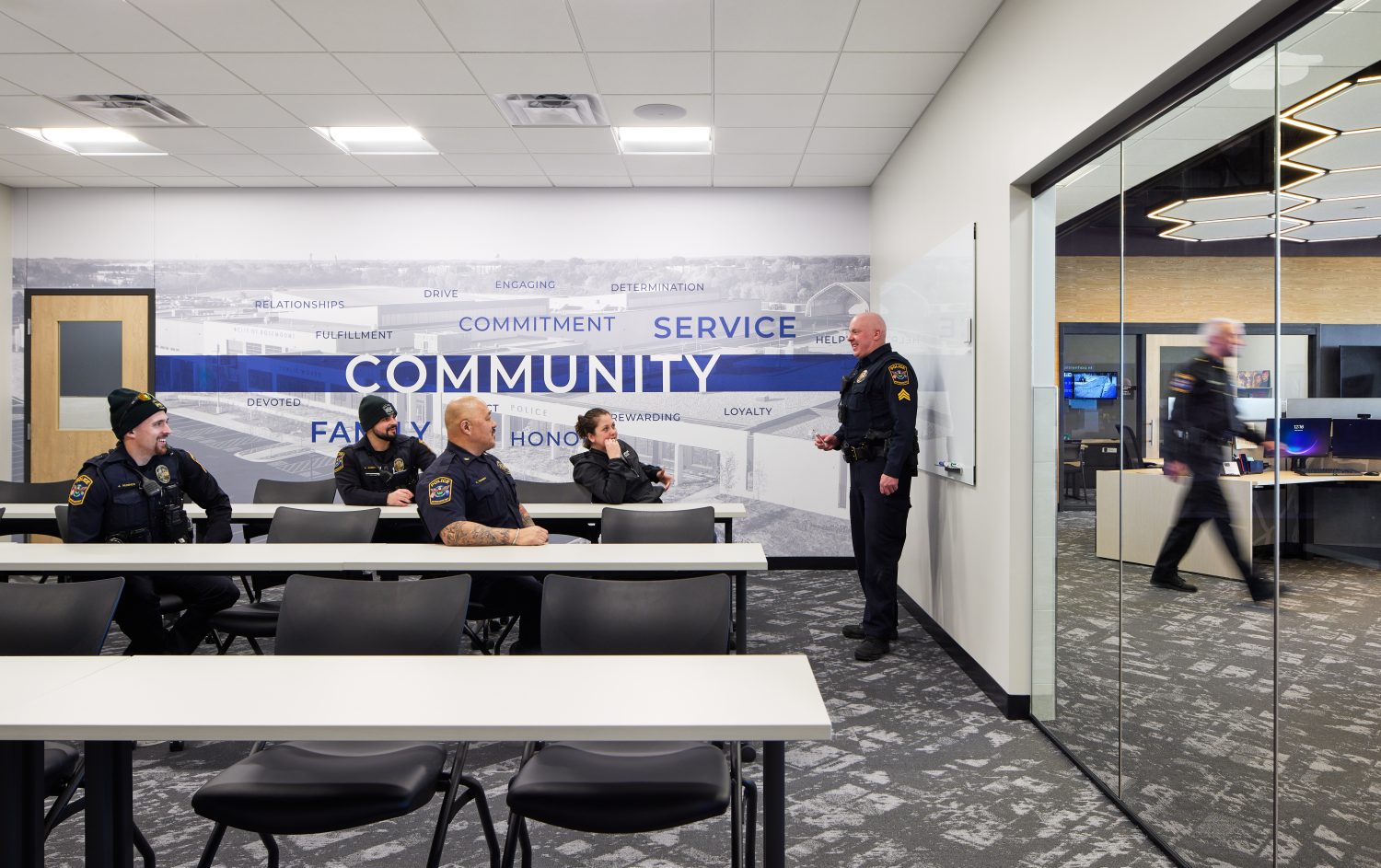
From administration and investigations to patrol preparation and dispatch, the police facility is intertwined with daily operations. The environment in which officers begin and end their shifts influences information flow, situational awareness, and efficiency in ways that are often invisible, but significant.
Thoughtful adjacencies between briefing areas, report writing, evidence intake, and equipment storage support smoother shift transitions and reduce friction during high-activity periods. Privacy and acoustic separation protect sensitive information and allow personnel to focus on complex work.
Facilities that lack these fundamentals force departments to rely on workarounds. Over time, those compromises accumulate, eroding efficiency and increasing operational risk.
Strategic Planning and Coordinated Response
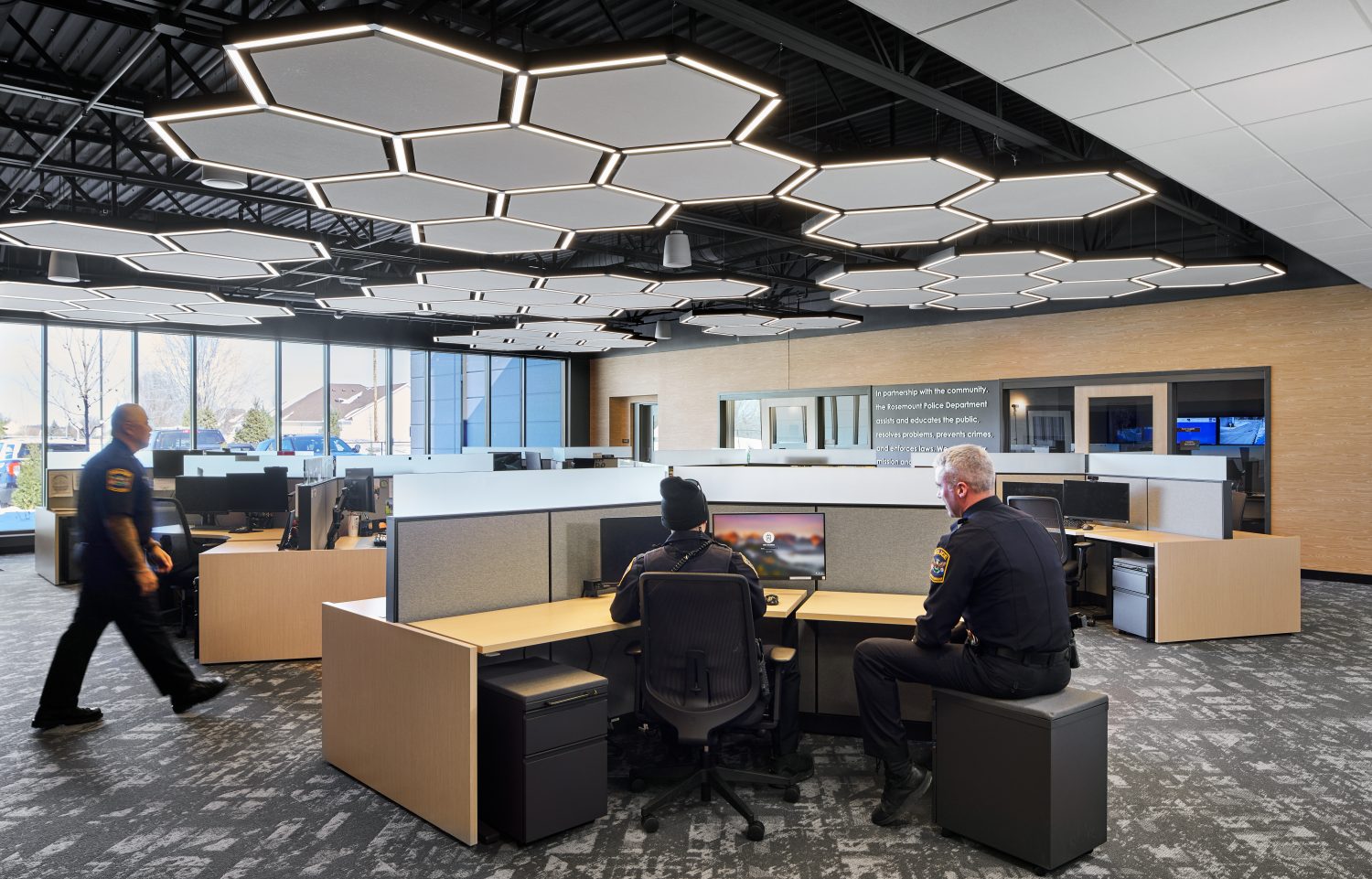
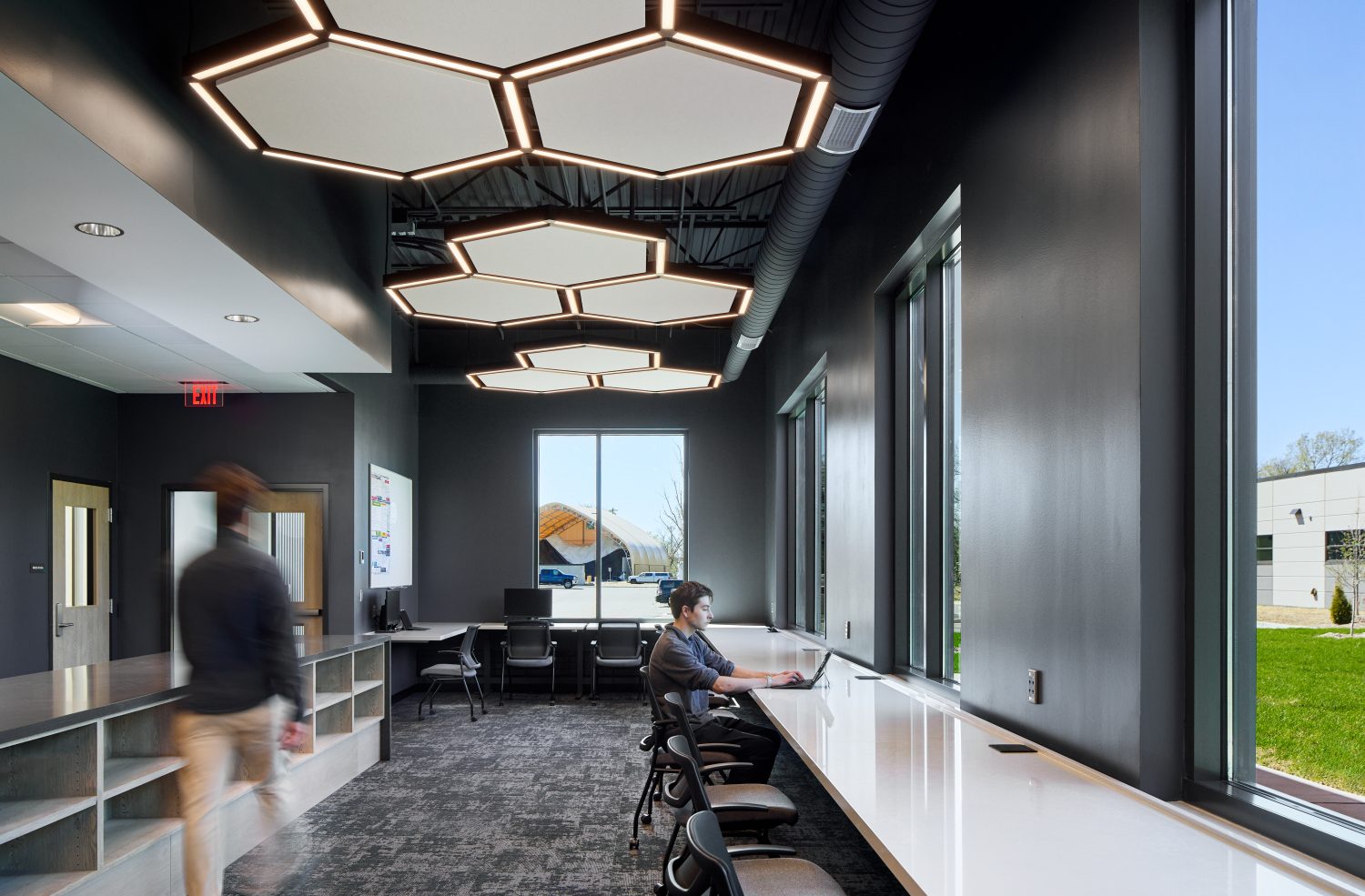
Modern policing requires more than space to react. It requires space to think, coordinate, and lead. Strategic planning, data analysis, policy development, and interagency coordination benefit from environments designed to support collaboration and secure technology.
Critical response functions further highlight this need. Major case investigations, emergency operations, and incident command activities often require rapid assembly of multidisciplinary teams and sustained coordination under pressure. Facilities that accommodate these functions, through dedicated or adaptable spaces, enable leaders to respond decisively while maintaining operational continuity.
Planning and response environments are not luxuries. They are essential components of readiness.
Training as a Foundation for Readiness
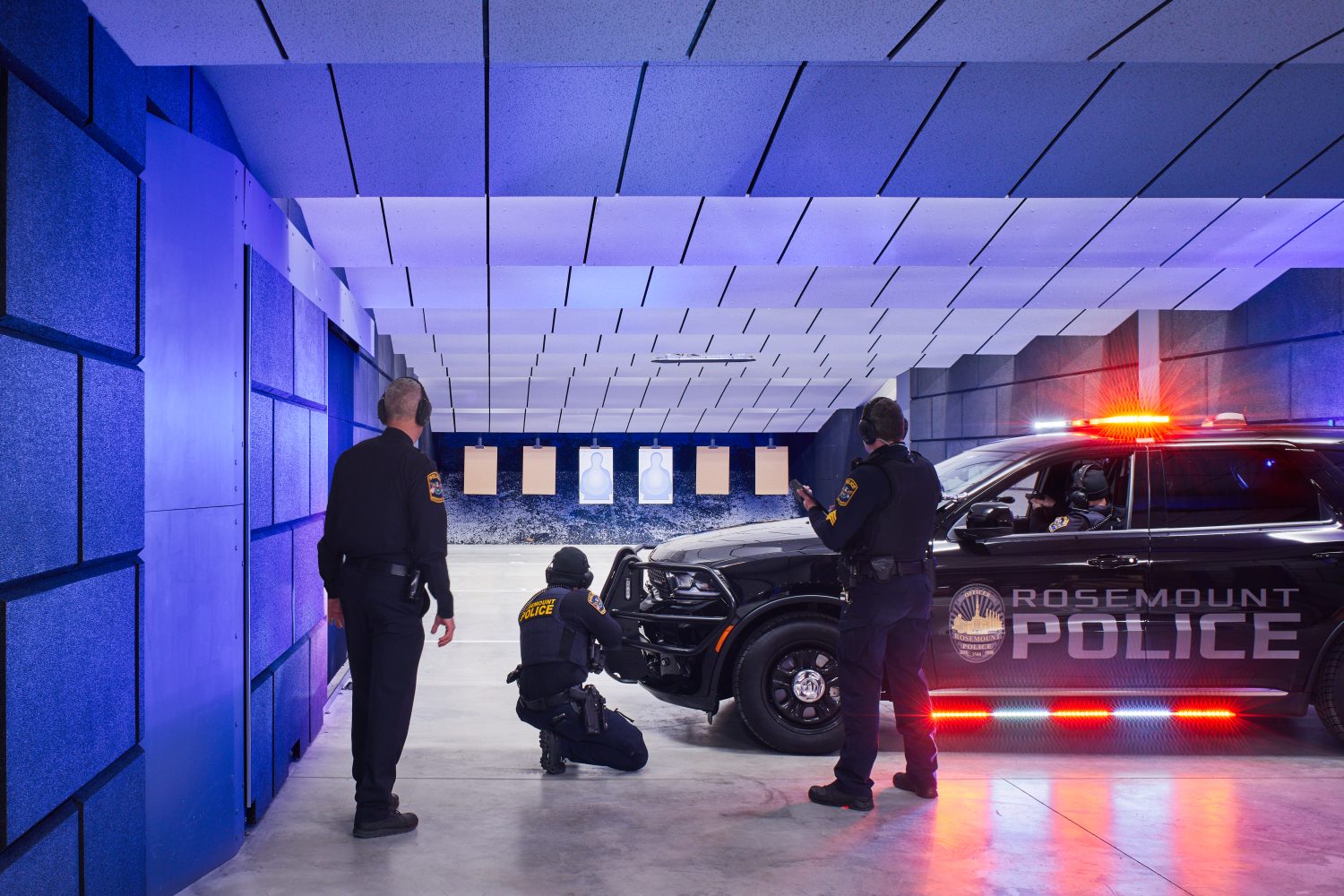
Training remains one of the most direct investments a community can make in professional, effective policing. Facilities that support a range of training modalities allow agencies to adapt to evolving expectations while maintaining operational stability.
Classroom instruction, physical fitness, defensive tactics, scenario-based simulations, judgment training systems, firearms proficiency, and where appropriate, K-9 training all benefit from flexible training environments integrated into the facility. Increasingly, agencies are also incorporating virtual and simulated training tools that require adaptable space and technology infrastructure.
The goal is not to replicate every possible training function under one roof, but to ensure that facilities support ongoing readiness without unnecessary logistical burden. In-house training capability reduces downtime, controls costs, and reinforces a culture of continuous learning.
Community Experience and Public Trust
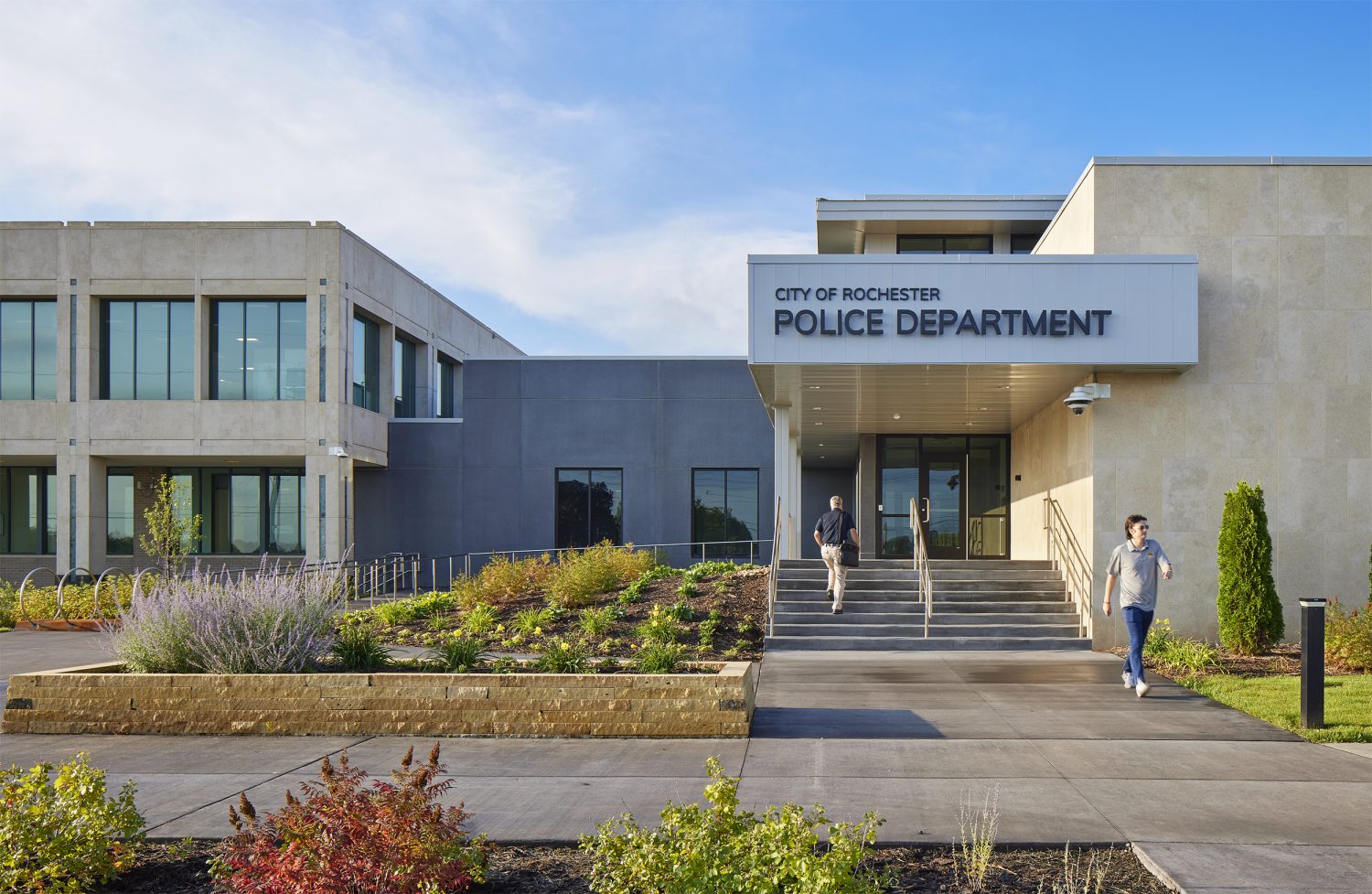
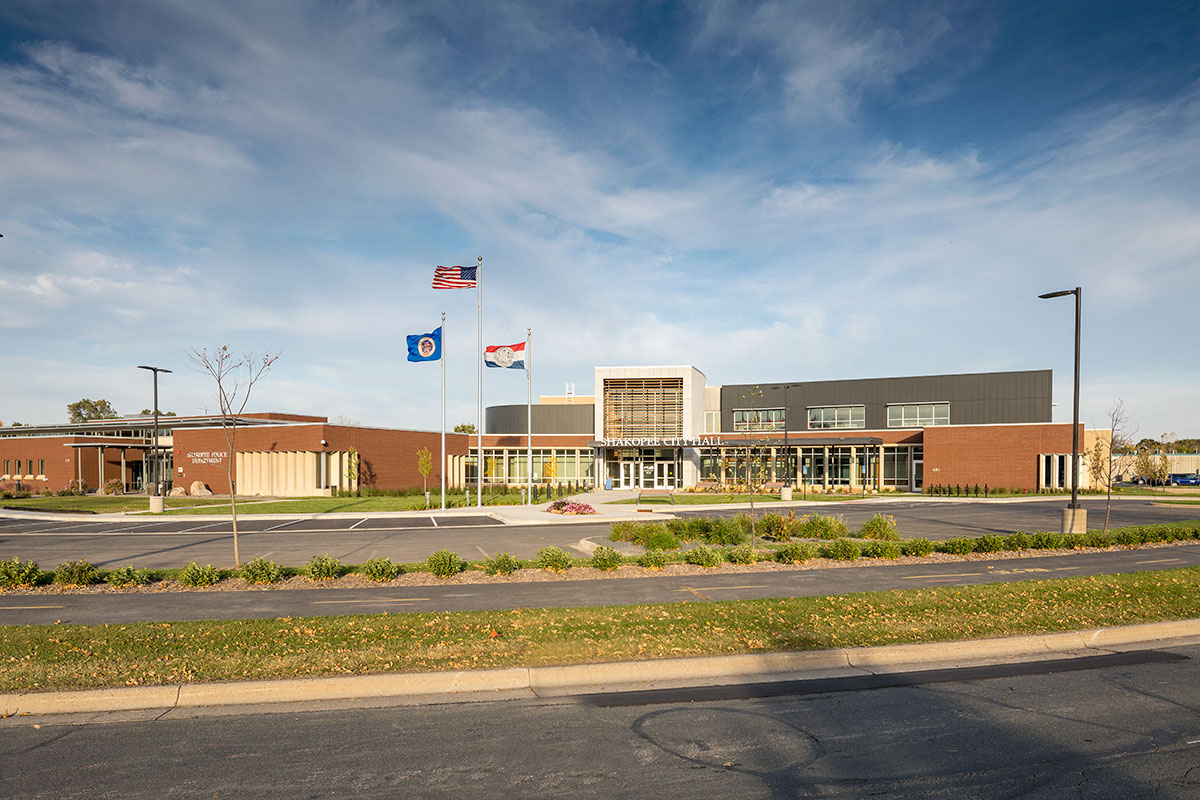
Community policing is no longer a separate initiative; it is embedded in how most agencies operate. The police facility is often one of the most visible points of contact between the public and the department, and the experience it provides matters.
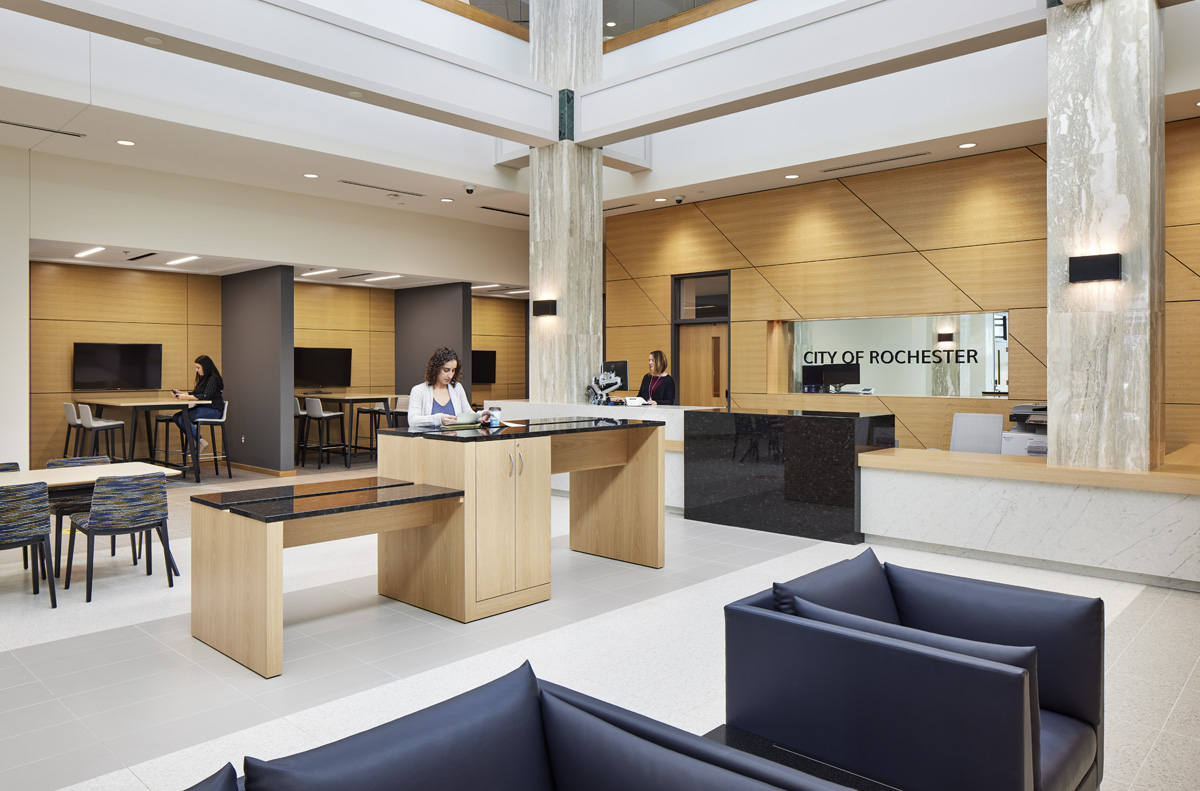
Public-facing areas that are clear, accessible, and respectful, while maintaining appropriate security, reinforce professionalism and accountability. Community-accessible spaces can support education, outreach, and non-enforcement interactions that strengthen relationships beyond routine service calls.
Trauma-informed principles also play an important role. Interview and support spaces designed with dignity, privacy, and calm help ensure that victims and witnesses feel safe during difficult moments. These considerations need not be elaborate to be effective; they are rooted in clarity, separation, and human-centered planning.
Police facilities should also reflect the community they serve. Architecture that acknowledges local history, culture, and civic vision reinforces that the department is not separate from the community, but part of it.
Safety Through Clarity and Separation
A modern police facility must address the distinct safety needs of staff, the public, and detainees. Clear separation of public, administrative, and secure functions; controlled circulation; and well-planned intake, booking, and detention areas are essential to maintaining security and dignity.
Technology supports these efforts, but spatial clarity remains foundational. When circulation and function are intuitive, staff confidence increases and risk is reduced, particularly during high-stress situations.
Safety is not achieved through hardening alone, but through environments that support calm, controlled operations.
Efficiency as Long-Term Stewardship
As departments grow and evolve, facilities that lack flexibility often force inefficient use of space and staff time. Growth rarely occurs evenly across divisions, and without foresight, personnel and equipment are often placed wherever space allows rather than where function is optimized.
Because payroll represents the largest expense for most departments, facilities that support efficient workflows and anticipate reasonable growth help ensure responsible use of public resources. Over time, these efficiencies translate into improved productivity, better staff utilization, and long-term value that extends well beyond initial construction costs.
A Leadership Responsibility
Just as vehicles, communications systems, and equipment must be reliable and fit for purpose, so too must the facilities that support law enforcement operations. Police buildings influence behavior, readiness, safety, and public perception every day.
When communities invest in police facilities, they are making long-term decisions about how policing is carried out and experienced for decades to come. Recognizing facilities as leadership infrastructure elevates the conversation beyond square footage and budgets toward leadership, accountability, and service.
A well-planned police facility does more than house an agency. It supports leadership, reinforces trust, and enables officers and administrators to serve their communities with clarity and confidence. In many ways, it is where policing begins.