
Public Facilities Require Leadership, Not Just Design
Authored By: Paul Michell, Vice President of Government & Managing Partner
Public facilities represent a long-term commitment between a community and the people they serve. They are built with public trust, public resources, and public expectations, and they demand leadership that goes well beyond technical expertise.
At BKV Group, our work focuses on helping communities translate vision into facilities that perform – operationally, fiscally, and over time. Whether a project is a city hall, library, police station, fire station, court house, public safety facility, or community center, success is rooted in disciplined planning, clear decision-making, and respect for the responsibility inherent in public-sector work.
Start with Purpose and Clarity
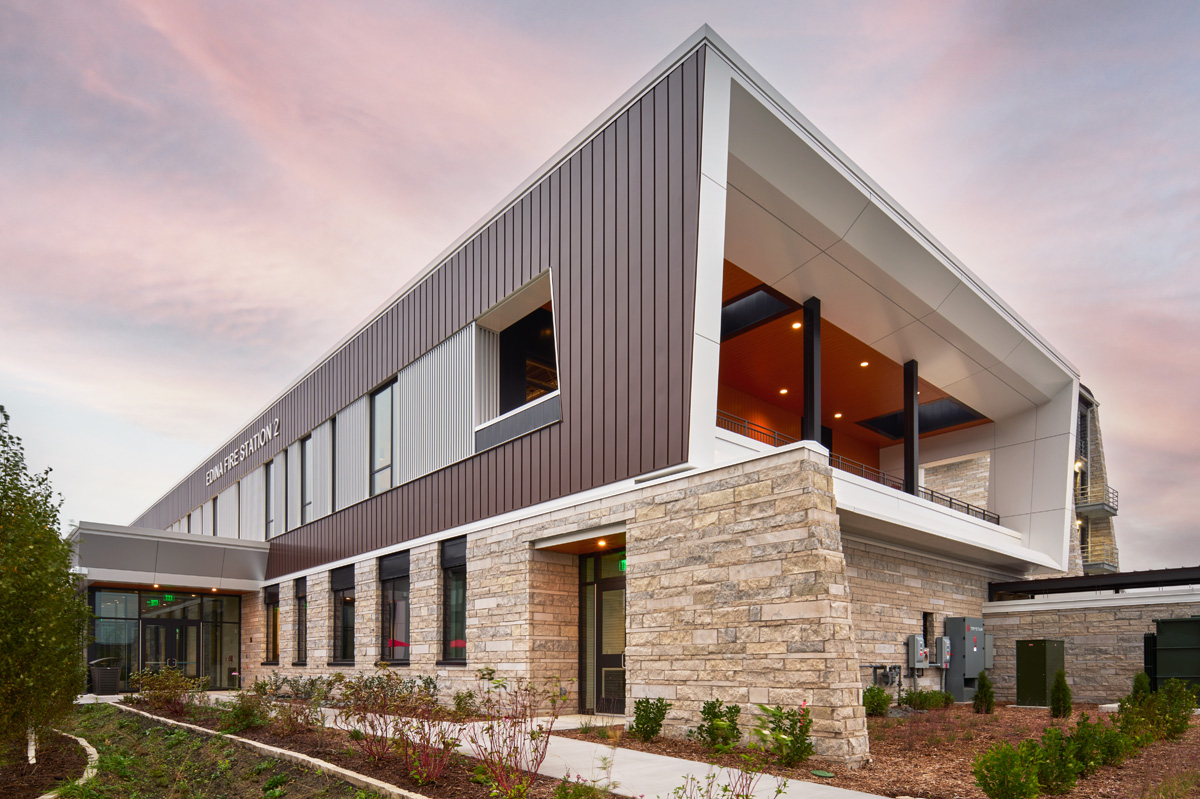
Strong public facilities begin with a clear understanding of purpose. That means validating the program, understanding how people actually work, and aligning operational needs with community goals. In my experience, investing time upfront, listening carefully, asking the right questions, and establishing shared priorities, creates clarity that carries through design and construction.
This early alignment is essential across all civic and public facilities, where budgets are finite, stakeholders are diverse, and expectations are high.
Stakeholder and Community Engagement
Successful public facilities are built on alignment, first within an organization, and then, when appropriate, with the broader community. Public projects involve a wide range of internal stakeholders, including leadership, staff, and operational users, each with critical insight into how a facility must function day to day.
At BKV Group, we prioritize structured engagement with internal stakeholders early in the process to clarify needs, validate assumptions, and establish shared priorities. This internal alignment creates a strong foundation for decision-making and helps ensure that facilities are operationally sound, efficient, and responsive to the realities of those who will use them.
Community engagement plays an equally important role when it aligns with a client’s goals, governance structure, and project context. When public outreach is appropriate, it should be purposeful, well-facilitated, and respectful of both community input and the responsibilities of public leadership. I believe effective engagement helps communities understand the project’s objectives, provide meaningful feedback, and build confidence in the process.
Across both internal and community engagement, the focus is on listening with intention and translating input into informed, transparent decisions. When engagement is approached with discipline and care, it strengthens trust, supports consensus, and results in public facilities that reflect both operational needs and community values.
Rooted in Community and Context
Public projects must be deeply rooted in the communities they serve. Too often, public clients worry, rightfully, that a facility may reflect an architect’s preferences rather than the identity, culture, and values of the community itself. I believe strongly that successful public facilities are shaped by community context, not imposed upon it.
That means understanding a community’s history, its civic culture, its aspirations, and its sense of place. It means responding thoughtfully to site context, scale, and surroundings. Most importantly, it means designing facilities that feel authentic, buildings that belong to their communities and reflect who they are at their core.
When projects are truly tailored in this way, they become more than functional solutions. They become civic anchors that reinforce identity, pride, and connection.
Stewardship Is a Design Responsibility
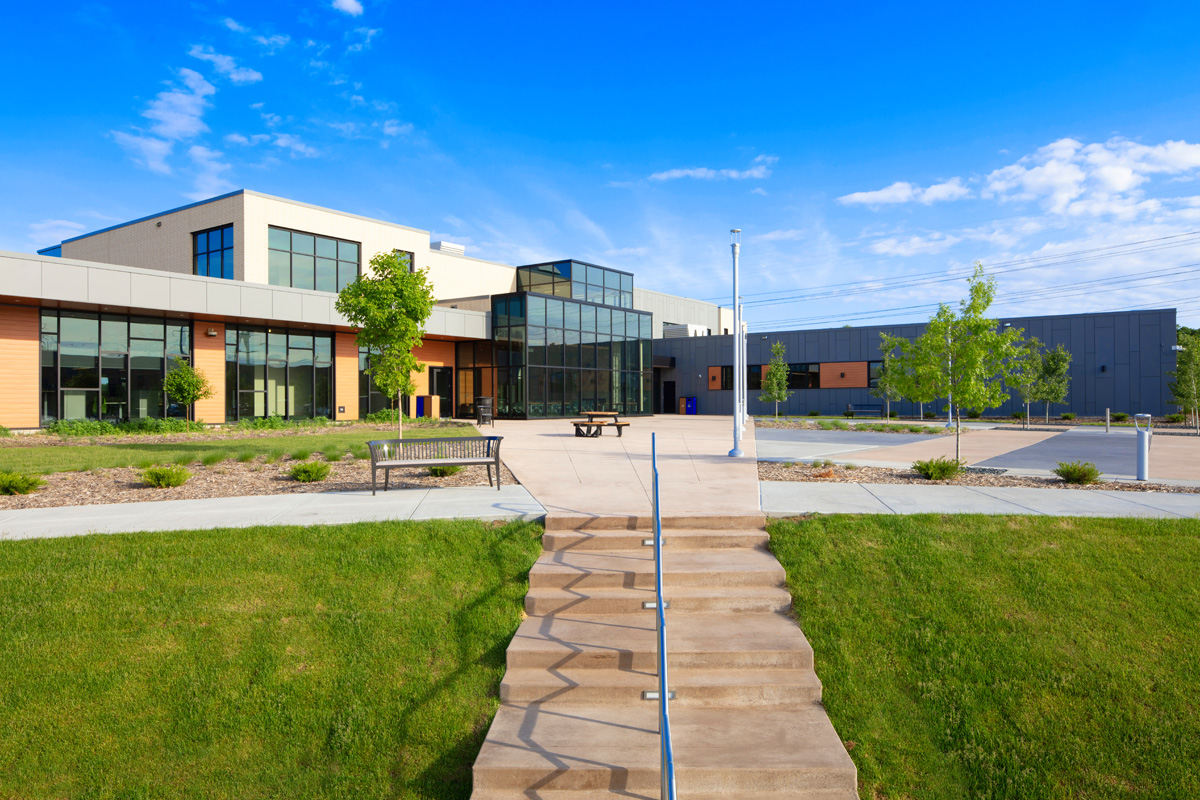
Stewardship of public resources is not an abstract idea, it is a daily responsibility that informs every decision. At BKV Group, stewardship means designing facilities that are right-sized, durable, adaptable, and grounded in long-term value rather than short-term solutions.
This applies equally to all the government projects we are fortunate to work on. Balancing first cost with lifecycle performance, resisting unnecessary complexity, and helping communities make informed decisions ensures public investments remain resilient and responsible for decades.
Design That Supports People and Performance
Public facilities work best when they support the people who use them every day. In civic environments, this means creating spaces that are intuitive, accessible, and welcoming. In public safety settings, it includes thoughtful adjacencies, clear circulation, safety-focused planning, and spaces that support wellness and effectiveness.
Across all project types, design excellence is measured by performance – how well a facility supports operations, serves the public, and adapts over time. When people and performance are aligned, facilities function better and earn lasting trust.
Plan for Change, Not Just Today
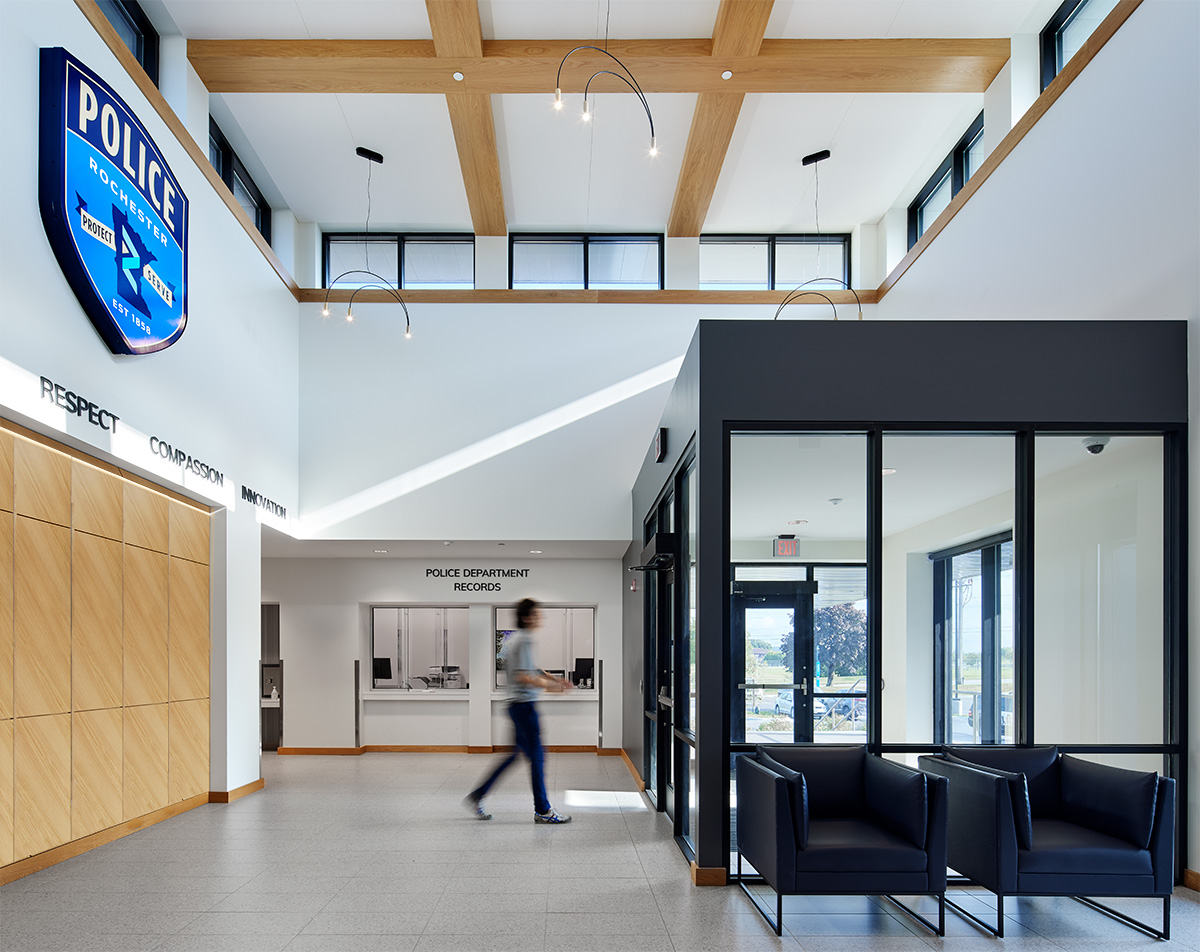
Communities evolve, and public facilities must evolve with them. Designing for flexibility allows buildings to adapt to changing operations, technologies, and expectations without sacrificing performance or driving unnecessary future costs.
Helping communities look beyond immediate needs and design with a long-term horizon is a critical part of leadership in public-sector work.
Enriching Lives and Strengthening Communities
This is BKV Group’s call to action. The most successful public projects are built on strong partnerships grounded in trust, collaboration, and shared accountability. When leadership, planning, and design are aligned, and when projects are rooted in community context, public facilities become lasting civic assets.
They enrich lives, strengthen communities, and reflect the values of the people they serve. That responsibility continues to guide how we lead projects, teams, and partnerships at BKV Group.